Steps to Select the Appropriate Fly Screen for Your Home
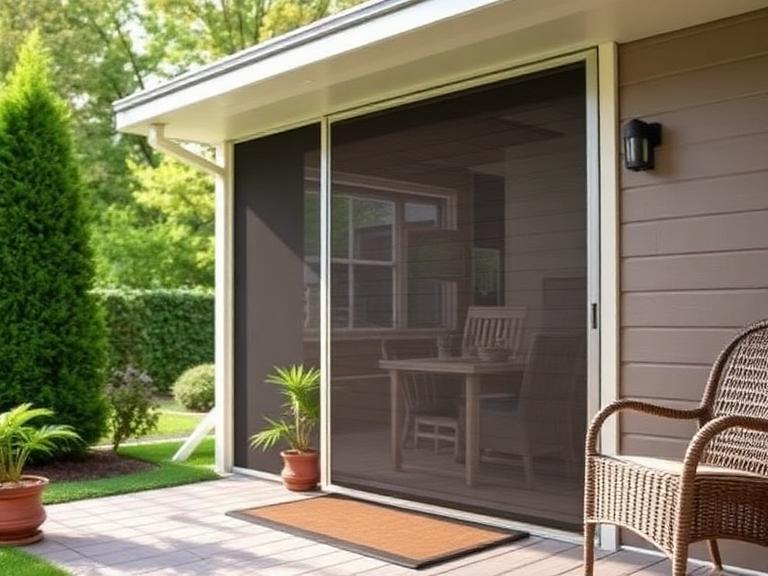
Every house or building is likely to get dust particles and insects like flies and mosquitoes through the doors and windows over the time. A fly screen or wire mesh allows proper light and ventilation while playing a crucial role in blocking the harmful insects and bugs from entering the house. A fly screen for windows is must for every house.
However, not all window screening is alike! Based on the type of material and the speciality, here are the diverse types of screening to consider./p>
What Are the Diverse Types of Fly Screen?
There are several forms of window screens available and the most popular ones amongst them are:
- Standard fiberglass screening: Fiberglass mesh is one of the most commonly used screening material types. The fiberglass yarn is vinyl-coated and comes in a variety of options to suit the color scheme of the house. This screen is rust free and durable.
- Aluminum mesh: This has been the most preferred type of window screen. It is also considered as the original window screening material. As the name implies, it is a metal mesh weaved out of aluminium wire. Unlike fiberglass, it does not stretch and tear easily. It may either have a natural metallic finish or come in black or dark grey color options.
- Solar insect screening: The solar bug screens are made of special fabric. The main purpose of this fly screen for windows is to block sunlight from entering the room directly. It provides good outward visibility and comes in black color.
- Stainless steel screening: A similar yet slightly costlier option of screening is stainless steel screen. It is durable and carries all the core advantages of stainless steel.
- Flexible screening: Flexible screens make use of materials, such are fiberglass or other fiber material.
- Glass-shield screening: This screen type is better known as Florida Glass screen in the industry. As the name suggests, glass-shield fly window screen comprises of the fiberglass wire mesh along with a lamination of vinyl polyester.
How Will You Use the Fly Screen?
Start by deciding how you will use the fly screen in your home. This step helps you choose the right type.
If you plan to install screens on outdoor-facing windows, choose aluminium screens. They are lightweight and easy to maintain. They also last longer than many other options.
Homes in windy or storm-prone areas need stronger solutions. In such cases, choose durable metal mesh with retractable screens. These options handle harsh weather better.
Before you make a final choice, assess your surroundings. Check the climate and exposure conditions. Then select a screen that suits your needs.
Manual vs Motorized Fly Screens
Next, decide between manual and motorized fly screens. Your choice depends on comfort, budget, and usage.
Motorized screens offer convenience. You can open or close them with the push of a button. They work well for large windows or modern homes.
Manual screens also perform well. They are simple to use and easy to control. You can adjust them to any height you prefer.
Manual options cost less than motorized ones. Many homeowners choose them for their affordability and ease.
In the end, pick the option that fits your lifestyle and budget.
Conclusion
Choosing the right fly screen for your windows improves comfort and protection in your home. Start by understanding how and where you will use the screens. Then, consider your local climate and exposure to weather conditions.
Select durable materials like aluminium or strong mesh for better performance. Also, choose between manual and motorized options based on your needs and budget.
A well-chosen fly screen keeps insects out, improves airflow, and adds convenience to your daily life. By making the right decision, you can enjoy a cleaner, safer, and more comfortable living space.
For more information visit Home Idea Maker.








Post Comment