Construction Skip Bins: Smart Waste Solutions for Every Project
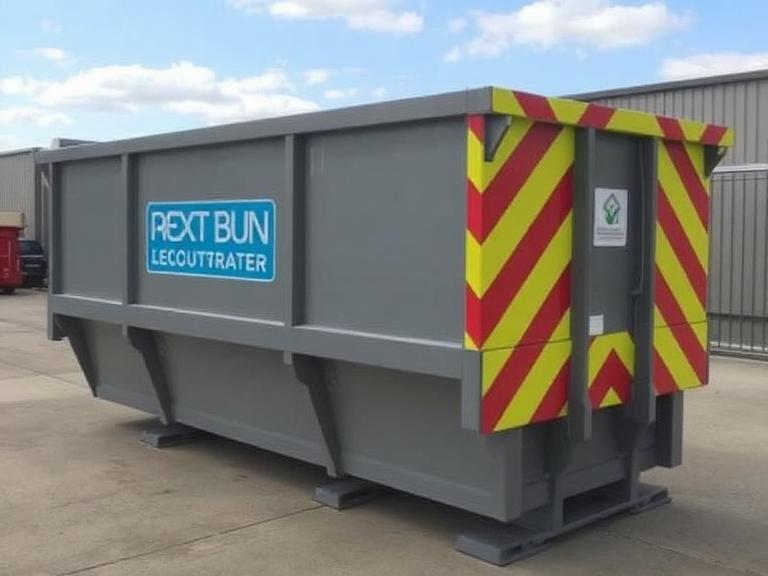
Construction skip bins in Melbourne are essential for keeping building sites clean, safe, and efficient. Whether you’re working on a home renovation or a large commercial project, choosing the right skip bin can simplify waste management, reduce hazards, and ensure compliance with local regulations.
Ever wondered what happens to all that rubble when a building comes down? Or how construction crews keep their sites tidy while juggling demolition, renovation, and building works all at once? If you’ve ever driven past a construction site and noticed those large metal bins overflowing with timber, concrete, and other materials, you’ve already spotted the unsung hero of any building project: the humble skip bin.
Managing waste on a construction site isn’t just about keeping things neat and tidy. It’s actually a critical part of running a safe, efficient, and environmentally responsible project. Without proper waste management, building sites quickly become hazardous, with sharp materials, tripping hazards, and debris scattered everywhere. Plus, there are strict regulations in Australia about how construction waste must be handled and disposed of.
In this guide, we’ll explore everything you need to know about bins hire services in construction. From understanding the different sizes available to figuring out what you can actually throw in them, we’ve got you covered. You’ll learn how to choose the right provider, what to expect in terms of costs, and how to maximise every cubic metre of space. Whether you’re a seasoned builder or tackling your first home renovation, this information will help you streamline your waste management and keep your project running smoothly.
What Are Construction Skip Bins?
Construction skip bins are heavy-duty waste containers specifically designed for building and demolition projects. Unlike your standard household bins, these tough containers can handle everything from broken concrete to timber offcuts, metal scraps, and general building debris.
How Construction Skip Bins Differ from Standard Bins
The main difference comes down to durability and capacity. Standard residential bins simply aren’t built to cope with the weight and volume of construction waste. Construction skips feature reinforced steel walls, stronger lifting mechanisms, and much larger capacities. They’re designed to be loaded with heavy materials using machinery like excavators and bobcats, making them perfect for busy worksites.
What’s more, construction skip bins often come with different door configurations. Many feature rear swing doors or drop-down panels, allowing workers to wheel barrows directly into the bin rather than lifting everything over the sides. This design makes loading faster and reduces the risk of workplace injuries.
Common Materials You Can Dispose of in Construction Skip Bins
These bins accept a wide variety of building materials. You can typically dispose of concrete, bricks, tiles, timber, plasterboard, metal offcuts, soil, and general mixed construction waste. Many providers also accept green waste like tree branches and shrubs if you’re clearing land for a new build.
What Size Skip Bin Do I Need for a Construction Project?
Choosing the right size is crucial. Go too small and you’ll need multiple collections, driving up costs. Go too large and you’re paying for space you don’t use.
Mini Skips (2-4 Cubic Metres)
Mini skips work well for small renovation jobs, bathroom or kitchen upgrades, or minor landscaping projects. A 2-3 cubic metre skip holds roughly 8-12 wheelbarrow loads, making it ideal for weekend warriors tackling DIY projects.
Medium Skips (6-8 Cubic Metres)
Medium skips suit larger renovations, single-room extensions, or moderate demolition work. They’re the most popular choice for residential building projects and can handle substantial amounts of mixed waste.
Large Skips (10-12 Cubic Metres)
For major renovations, house demolitions, or commercial fit-outs, large skips provide serious capacity. They’re also cost-effective for projects generating heavy materials like concrete and soil.
Marrel and Hook Lift Bins for Major Projects
Commercial construction sites often require marrel or hook lift bins, which can range from 15 to 30 cubic metres. These industrial-sized containers suit large-scale demolitions, multi-storey developments, and ongoing commercial projects.
How Much Does It Cost to Hire a Construction Skip Bin in Australia?
Pricing varies considerably depending on several factors, but understanding these helps you budget effectively.
Factors That Affect Skip Bin Pricing
Location plays a significant role—metropolitan areas typically cost more than regional towns. The bin size, waste type, and hire duration also impact pricing. Heavy materials like concrete often attract higher fees due to disposal costs at the tip. Expect to pay anywhere from $250 for a small mini skip to $800 or more for large construction bins.
Getting the Best Value for Your Budget
To maximise value, accurately estimate your waste volume before booking. Ask about inclusions like delivery, collection, and disposal fees. Some providers offer better rates for longer hire periods, so if your project spans several weeks, negotiate a package deal.
What Can and Can’t Go in a Construction Skip Bin?
Knowing what’s allowed prevents nasty surprises and potential extra charges.
Accepted Waste Types
Most construction skips accept:
- Concrete, bricks, and masonry
- Timber (treated and untreated)
- Plasterboard and gyprock
- Metal and steel
- Tiles and ceramics
- Soil and rubble
- Green waste (with some providers)
Prohibited Items and Hazardous Materials
Never place these items in your skip:
- Asbestos (requires specialist disposal)
- Paints and solvents
- Batteries and electronics
- Gas bottles
- Tyres
- Food waste
- Liquids of any kind
Disposing of prohibited items can result in hefty fines and environmental damage.
How Long Can I Hire a Skip Bin For?
Standard Hire Periods
Most providers offer hire periods between 3 and 14 days. A week is standard for residential projects, giving you enough time to complete your work without rushing.
Extending Your Hire for Longer Projects
If your project runs overtime, simply contact your provider to extend. Most companies charge daily or weekly rates for extensions. Planning ahead and booking a longer initial period often works out cheaper than extending multiple times.
Benefits of Using Skip Bins for Building and Renovation Projects
Improved Site Safety and Efficiency
A clean worksite is a safe worksite. Construction debris creates tripping hazards, and loose materials can cause injuries. Having a dedicated skip bin encourages workers to dispose of waste immediately, keeping pathways clear and reducing accident risks. This efficiency also speeds up project timelines.
Environmental Responsibility and Recycling
Reputable skip bin providers sort and recycle significant portions of construction waste. Metals get salvaged, timber is chipped for mulch, and concrete is crushed for reuse. Choosing the right provider means your project contributes to sustainable building practices.
How to Choose the Right Skip Bin Provider for Your Construction Project
Questions to Ask Before Booking
Before committing, ask about:
- What’s included in the quoted price?
- Are there weight limits or excess charges?
- What happens if I need to extend the hire?
- Do they handle the specific waste types your project generates?
Comparing Local vs National Skip Bin Companies
Local operators often provide more personalised service and flexibility, while national companies may offer competitive pricing through larger networks. Read reviews, compare quotes, and don’t be afraid to negotiate.
Skip Bin Placement: Council Permits and Site Considerations
If placing your skip on public property like a footpath or street, you’ll likely need a council permit. Check with your local council about requirements, costs, and timeframes. On private property, make sure the delivery truck has adequate access—a clear driveway at least 3 metres wide usually works.
Tips for Maximising Your Skip Bin Space
Getting the most from your skip saves money and reduces collections. Break down large items before loading and fill gaps with smaller debris. Place flat items like plasterboard sheets along the sides first, then fill the centre. Never overfill—waste shouldn’t extend above the rim, as this creates safety issues during transport.
Streamline Your Construction Waste Management
Managing waste properly transforms chaotic construction sites into safe, efficient workplaces. The right skip bin keeps debris contained, reduces hazards, and ensures you’re meeting environmental regulations. It’s one of those behind-the-scenes elements that makes everything else run smoothly.
Throughout your project, remember that choosing the correct bin size saves money, understanding what’s prohibited prevents penalties, and selecting a reliable provider gives you peace of mind. Take time to compare options, ask questions, and plan your waste management strategy before work begins.
Whether you’re renovating a single bathroom or managing a large-scale commercial project, construction skip bins in Melbourne offer a smart and practical waste solution that helps streamline your site operations. Next time you’re planning a build, give your waste management the attention it deserves. A well-organised approach not only keeps your site safer but also helps control costs and supports more sustainable construction practices across Australia.













Post Comment