Modern Home Renovations: Upgrade Comfort, Style & Value
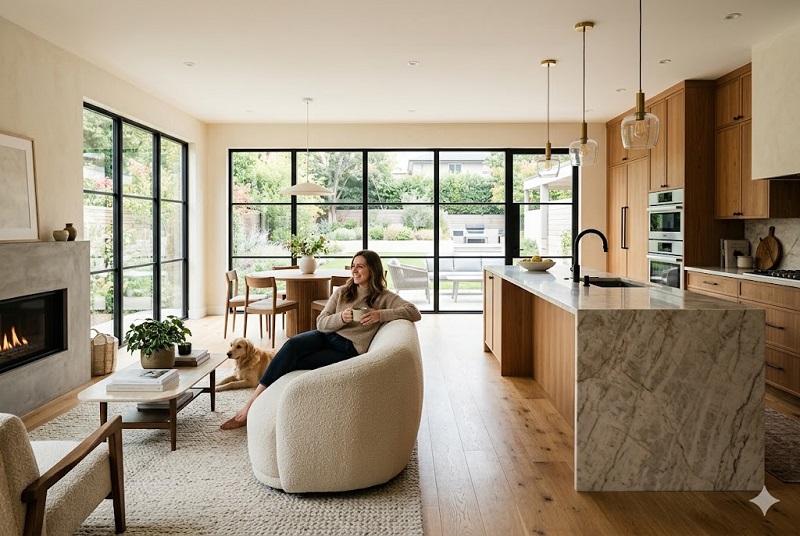
Have you been dreaming about transforming your tired old kitchen into a stunning culinary haven? Or perhaps you’re wondering whether that bathroom upgrade could actually boost your property’s value? Maybe you’ve been scrolling through Pinterest at midnight, saving countless images of open-plan living spaces and sleek modern finishes?
You’re definitely not alone. Across Australia, homeowners are discovering that smart renovations can completely transform how they live—while also adding serious value to their properties. Whether you’re planning to sell in a few years or simply want to create a more comfortable space for your family, renovating makes brilliant financial and lifestyle sense.
In this guide, we’ll walk you through everything you need to know about modern home renovations. From setting realistic budgets and choosing the right contractor to understanding which upgrades deliver the best return on investment, we’ve got you covered. Plus, we’ll explore the latest design trends, common mistakes to avoid, and how to finance your dream project. Let’s get stuck into it.
Planning Your Home Renovation Project
Setting a Realistic Budget for Your Renovation
Before you start ripping out walls or choosing tile samples, you need to nail down your budget. This might not be the most exciting part of renovating but trust us—it’s absolutely crucial. A well-planned budget prevents nasty surprises and keeps your project on track.
Start by researching typical costs for your type of renovation. Then add a contingency buffer of 10-20% for unexpected expenses. Hidden plumbing issues, electrical problems, or structural surprises can quickly blow out your budget if you’re not prepared.
Be honest with yourself about what you can afford. It’s tempting to go all-out, but overcapitalising on your property is a real risk. Consider what improvements will genuinely enhance your daily life versus what’s simply nice to have.
How Much Does It Cost to Renovate a House in Australia?
Renovation costs vary dramatically depending on your location, the scope of work, and the quality of materials. In Australia, a basic kitchen renovation might start around $15,000, while a high-end transformation could exceed $50,000. Bathroom renovations typically range from $10,000 to $35,000.
Full home renovations are another ballgame entirely. Expect to pay anywhere from $1,500 to $5,000 per square metre, depending on complexity. Major structural changes, premium finishes, and inner-city locations all push costs higher.
Getting multiple quotes from reputable contractors helps you understand realistic pricing for your specific project. Don’t automatically choose the cheapest option—quality workmanship saves money long-term.
Choosing the Right Renovation Contractor
Your contractor can make or break your renovation experience. A great one delivers quality work on time and keeps stress to a minimum. A poor choice? Well, that’s the stuff of renovation nightmares.
Look for licensed, insured contractors with solid portfolios and genuine references. Check online reviews but also ask to speak with previous clients directly. Visit completed projects if possible—photos can be misleading.
Communication style matters too. You’ll be working closely with this person for weeks or months. Make sure they’re responsive, transparent about costs, and willing to explain their process clearly.
Understanding Council Approvals and Building Permits
Don’t skip this step—it could cost you dearly. Many renovations require council approval or building permits, particularly those involving structural changes, extensions, or alterations to heritage properties.
Requirements vary between councils across Australia, so check with your local authority early. Your contractor or a building certifier can also guide you through the process. Failing to obtain proper permits can result in fines, forced removal of work, or complications when selling.
Factors permit timelines into your project schedule. Approval can take anywhere from a few weeks to several months, depending on complexity and council workloads.
Top Home Renovation Ideas to Boost Property Value
Kitchen Renovations: The Heart of the Home
The kitchen remains the most impactful room to renovate. It’s where families gather, meals are prepared, and memories are made. A dated kitchen can drag down your entire home’s appeal, while a modern one becomes a genuine selling point.
Focus on functionality first. Good storage solutions, quality benchtops, and efficient layouts matter more than flashy appliances. Stone benchtops, soft-close drawers, and ample bench space consistently appeal to buyers.
Consider opening up closed-off kitchens to living areas if your budget allows. That open-plan flow is incredibly popular and transforms how spaces feel and function.
Bathroom Upgrades That Make a Difference
Bathrooms punch well above their weight when it comes to renovation returns. Even modest updates—new tapware, fresh tiles, and improved lighting—can dramatically refresh a tired bathroom.
For maximum impact, consider walk-in showers with frameless glass, floating vanities, and underfloor heating. These features feel luxurious but don’t necessarily cost a fortune. Neutral colour palettes with quality finishes tend to age well and appeal broadly.
Don’t forget about ventilation and waterproofing. These less glamorous elements prevent costly moisture damage and mould problems down the track.
Open-Plan Living Transformations
Australians love indoor-outdoor flow and spacious living areas. Knocking down walls between cramped rooms can completely transform how your home feels and functions. Suddenly, spaces feel larger, brighter, and more connected.
This type of renovation often requires structural engineering and council approval, so budget accordingly. Load-bearing walls need proper support solutions, and electrical and plumbing may need relocating.
The payoff is substantial though. Open-plan living consistently tops buyer wish lists and can significantly increase property values, particularly in family-friendly suburbs.
Adding an Extra Bedroom or Home Office
The pandemic permanently changed how Australians work, and home offices remain highly desirable. Converting underutilised spaces—garages, large storage areas, or portions of living rooms—into functional workspaces adds genuine value.
Extra bedrooms also boost property appeal, particularly in areas popular with families. Even a small fourth bedroom can shift your home into a different price bracket entirely.
Consider built-in storage, good natural light, and proper climate control for any new rooms. These details make spaces genuinely liveable rather than just technically functional.
What Renovations Add the Most Value to Your Home?
High-ROI Renovations for Australian Properties
Not all renovations deliver equal returns. Research consistently shows kitchens and bathrooms offer the best bang for your buck, often returning 50-80% of costs at sale. Adding useable living space—through extensions or conversions—also performs well.
Street appeal improvements like new fencing, landscaping, and fresh paint offer excellent returns relative to their modest costs. First impressions matter enormously when buyers are deciding which properties to inspect.
Energy-efficient upgrades increasingly appeal to environmentally conscious buyers. Solar panels, insulation, and double-glazed windows can attract premium prices while reducing your running costs in the meantime.
Cosmetic Updates vs Structural Changes
Cosmetic updates—paint, flooring, fixtures—cost less and disrupt daily life minimally. They’re ideal for refreshing dated spaces without major construction. Returns can be impressive when done well.
Structural changes cost more and take longer but can fundamentally transform how your home works. Moving walls, adding extensions, or reconfiguring layouts are bigger undertakings with potentially bigger rewards.
The best approach depends on your property’s condition, your budget, and local market expectations. Sometimes cosmetic improvements are sufficient; sometimes structural changes are necessary to compete.
Is It Worth Renovating Before Selling?
This depends on your local market and property condition. In competitive markets with well-presented stock, renovated homes typically attract higher prices and sell faster. Buyers increasingly expect move-in-ready properties.
However, overcapitalising remains a risk. Spending $100,000 on renovations doesn’t guarantee a $100,000 price increase. Research recent sales in your area and consult local agents before committing to major pre-sale works.
Strategic, targeted improvements often outperform complete overhauls. Focus on addressing obvious negatives and enhancing key spaces rather than renovating everything.
Modern Design Trends for Comfortable Living
Sustainable and Energy-Efficient Upgrades
Sustainability isn’t just good for the planet—it’s increasingly good for property values too. Solar panels, energy-efficient appliances, and proper insulation reduce running costs while appealing to environmentally conscious buyers.
Water-saving fixtures, rainwater tanks, and drought-tolerant landscaping make particular sense in Australia’s climate. These features demonstrate thoughtful, forward-thinking property improvements.
Consider the materials you choose too. Sustainable timber, recycled materials, and low-VOC paints contribute to healthier homes and reduced environmental impact.
Smart Home Technology Integration
Smart technology has moved from novelty to expectation in modern home renovations. Integrated lighting, climate control, and security systems add convenience and appeal. Voice-controlled assistants and automated blinds are increasingly common.
Plan technology integration early in your renovation. Running cables and positioning outlets during construction is far easier than retrofitting later. Consider future-proofing with adequate data cabling throughout.
Balance technology with timeless design though. Trendy gadgets date quickly, while quality finishes endure. Focus on technology that genuinely improves daily life rather than impressing visitors.
Indoor-Outdoor Living Spaces
Australians love blurring boundaries between inside and outside. Bifold doors, covered alfresco areas, and outdoor kitchens extend living spaces and maximise our beautiful climate.
Consider how indoor and outdoor spaces connect visually and functionally. Consistent flooring materials, aligned ceiling heights, and complementary furniture create cohesive environments that feel spacious and inviting.
Don’t forget practical considerations like shade, weather protection, and privacy. The best outdoor spaces work year-round, not just on perfect days.
Common Home Renovation Mistakes to Avoid
Overcapitalising on Your Property
This is perhaps the biggest renovation trap. Spending more than your property can reasonably recover at sale leaves you out of pocket. Research your suburb’s price ceiling before committing to major works.
Your home renovations should suit your neighbourhood. Ultra-luxury finishes in modest areas rarely pay off. Similarly, cutting too many corners in premium suburbs can leave your property looking underwhelming compared to neighbours.
Get professional valuations and talk to local agents before starting. Understanding your market prevents expensive missteps.
Cutting Corners on Quality Materials
Cheap materials cost more long-term. Inferior tapware fails sooner, budget tiles chip easily, and low-quality paint needs frequent recoating. Investing in quality where it matters saves money and frustration over time.
Focus quality spending on high-use areas and visible surfaces. Kitchen benchtops, bathroom fixtures, and flooring see daily wear and deserve decent materials. Less visible elements can be more budget-conscious.
Ignoring Structural Issues
Cosmetic renovations over structural problems are recipes for disaster. Cracks, moisture damage, and foundation issues need addressed before pretty finishes go on top. Otherwise, you’re literally papering over problems.
Get proper building inspections before renovating older properties. Understanding what’s beneath surfaces prevents nasty surprises mid-project and protects your investment.
Should I Renovate or Knock Down and Rebuild?
Sometimes renovation isn’t the answer. If your home has fundamental layout problems, significant structural issues, or simply doesn’t suit modern living, rebuilding might make more sense.
Compare total renovation costs against knockdown-rebuild quotes. Factor in the hassle, timeframes, and final outcomes of each approach. Sometimes starting fresh delivers better results for similar money.
Heritage considerations, sentimental attachment, and sustainability also influence this decision. Renovating preserves embodied energy in existing materials, while rebuilding allows complete design freedom.
Financing Your Home Renovation
Renovation Loans and Mortgage Options
Multiple financing options exist for renovation projects. Home equity loans, construction loans, and personal loans each suit different circumstances. Your bank or mortgage broker can explain options suited to your situation.
Using home equity often provides the best interest rates for substantial renovations. However, this increases your mortgage and extends your repayment period. Consider long-term implications carefully.
Budgeting Tips to Stay on Track
Track every expense religiously throughout your project. Costs creep up quickly through small decisions—upgraded tapware here, better tiles there. Knowing exactly where you stand prevents budget blowouts.
Maintain that contingency fund and resist spending it on upgrades. Unexpected costs will arise; having reserves prevents panic and poor decisions when they do.
Creating Your Dream Home Through Smart Renovations
Renovating your home is one of the most rewarding investments you can make. Done thoughtfully, it enhances your daily life while building long-term wealth. The key is approaching projects strategically—planning carefully, choosing quality professionals, and focusing on improvements where they matter most.
Remember that the best renovations balance personal enjoyment with financial sense. Create spaces that work brilliantly for how you actually live, not just what looks good in magazines. Practical improvements that enhance daily comfort often deliver better returns than purely aesthetic changes.
Whether you’re updating a single bathroom or transforming your entire home, take your time with planning and don’t be afraid to seek expert advice. Your future self—living in that beautiful, comfortable space you’ve created—will thank you for the effort you put in today. Good luck with your renovation journey!



Post Comment