How to Carry Out Basic Roof Repairs Yourself
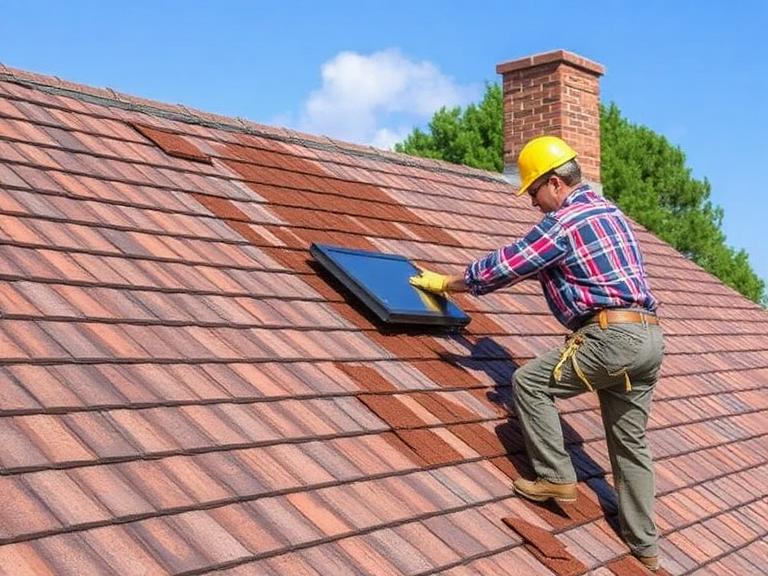
Have you ever noticed a suspicious stain spreading across your ceiling after heavy rain? Or perhaps you’ve spotted a tile that looks a bit worse for wear during your morning coffee? Maybe you’ve been putting off calling a professional because you’re worried about the cost? You’re definitely not alone. Many Australian homeowners face these exact concerns, and the good news is that plenty of basic roof repairs are well within your reach.
Taking on DIY roof repairs makes sense for several reasons. First, it can save you a significant amount of money—professional roofers charge anywhere from $50 to $100 per hour, and those costs add up quickly. Beyond the financial benefits, there’s genuine satisfaction in maintaining your own home and catching small problems before they become expensive disasters.
In this guide, you’ll learn everything you need to tackle common roof issues with confidence. We’ll cover essential safety gear, the tools you’ll need, how to spot damage, and step-by-step instructions for fixing leaks, replacing tiles, and maintaining gutters. Plus, we’ll help you understand when it’s time to call in the experts. Let’s get stuck into it.
Before You Start: Essential Safety Considerations
What Safety Equipment Do I Need for Roof Work?
Before climbing any ladder, safety gear isn’t optional—it’s absolutely critical. At minimum, you’ll need a sturdy ladder that extends at least one metre above the roofline, non-slip footwear with good grip, and a properly fitted safety harness attached to a secure anchor point. Work gloves protect your hands from sharp edges, while safety glasses shield your eyes from debris.
A hard hat might seem over the top for home repairs, but falling tiles or tools can cause serious injury. Consider investing in knee pads too—you’ll thank yourself after spending time crawling across roof surfaces.
When Should You Avoid Going on Your Roof?
Never attempt roof work in wet conditions. Even light drizzle makes surfaces treacherously slippery, particularly metal roofing. Strong winds above 25 km/h are another red flag, as they can throw you off balance or cause materials to become airborne.
Working alone is risky business. Always have someone nearby who can call for help if something goes wrong. If you’re uncomfortable with heights or have any health conditions affecting balance, it’s best to leave roof work to the professionals.
Understanding Australian Weather Conditions and Timing
Australia’s harsh climate means timing your repairs carefully. Early morning or late afternoon during cooler months is ideal—midday summer sun makes metal roofs dangerously hot, sometimes exceeding 70°C. Check the Bureau of Meteorology forecast and plan for at least two consecutive dry days before starting any repair work.
Tools and Materials You’ll Need for Basic Roof Repairs
Must-Have Tools for Every DIY Roof Repair Kit
Building a decent repair kit doesn’t require breaking the bank. Start with a claw hammer, pry bar, utility knife, and a cordless drill with various bits. A caulking gun is essential for sealant work, while a wire brush helps clean surfaces before repairs.
You’ll also need measuring tape, a chalk line for marking, and a sturdy bucket or tool belt to keep everything accessible while you work. Binoculars might seem odd, but they’re brilliant for ground-level inspections.
Choosing the Right Materials for Your Roof Type
Match your materials to your existing roof. For tiled roofs, keep spare tiles that match your current ones—colour and profile matter. Metal roof owners should stock appropriate sealants, replacement screws with rubber washers, and rust converter for treating corrosion.
Flexible flashing tape, roofing cement, and all-weather sealant are useful regardless of roof type. Purchase quality materials from reputable suppliers like Bunnings or specialist roofing merchants.
How to Inspect Your Roof for Damage
Can I Inspect My Roof from the Ground?
Absolutely! Ground-level inspections are actually your safest first step. Grab those binoculars and walk around your property, examining the roofline from multiple angles. Look for obvious issues like missing tiles, sagging sections, or debris accumulation.
Check your gutters from below for rust spots, gaps, or sections pulling away from the fascia. Inside your roof cavity, use a torch to spot daylight coming through gaps or any signs of water damage.
Common Signs of Roof Damage to Look For
Keep an eye out for cracked, broken, or slipped tiles. On metal roofs, watch for rust patches, lifted sheeting, or loose screws. Flashing around chimneys and vents often fails first—look for gaps or lifting edges.
Water stains on ceilings, musty smells in the attic, or unexplained increases in your energy bills can all indicate roof problems. Don’t ignore small issues—they rarely fix themselves.
How Often Should You Check Your Roof for Problems?
Aim for thorough inspections twice yearly—before winter rains and after summer storms. Additional checks following severe weather events are sensible. Quick visual scans from ground level can happen monthly without much effort.
How to Fix a Leaking Roof Yourself
How Do I Find Where My Roof Is Leaking?
Finding leaks requires detective work. Water often travels along rafters before dripping, so the ceiling stain rarely marks the actual entry point. Start in your roof cavity during daylight, looking for light coming through or water trails on timbers.
On the roof itself, check uphill from where water appears inside. Common culprits include cracked tiles, damaged flashing, and blocked valleys where debris prevents proper drainage.
Step-by-Step Guide to Patching Roof Leaks
Once you’ve located the source, clean the area thoroughly with a wire brush. For small cracks in tiles, apply roofing cement or flexible sealant, smoothing it with a putty knife. Larger tile damage requires replacement.
For metal roofing, clean rust with a wire brush, apply rust converter, then seal with appropriate metal roof sealant. Press firmly to eliminate air bubbles and ensure complete coverage. Allow adequate drying time before testing.
Temporary Fixes vs Permanent Solutions
Sometimes you need a quick fix until proper repairs are possible. Roofing tape or a tarp secured with weights can provide temporary protection during wet weather. These solutions buy time but shouldn’t become permanent—water always finds a way eventually.
Permanent repairs involve addressing the root cause, not just covering symptoms. If temporary fixes become frequent, the underlying problem likely needs professional assessment.
Replacing Broken or Missing Roof Tiles
How to Remove Damaged Tiles Safely
Carefully lift the tiles above the damaged one using wooden wedges. This creates space to slide out the broken tile without disturbing surrounding ones. Work gently—terracotta and concrete tiles are brittle and crack easily.
For nailed tiles, you may need to carefully pry up the nail using a flat pry bar. Take your time; rushing leads to additional damage.
Installing New Tiles: A Beginner’s Guide
Slide the replacement tile into position, hooking it onto the batten. Gently lower the overlapping tiles back into place, checking alignment as you go. Some tiles may need bedding with flexible pointing compound, particularly ridge caps.
Ensure the new tile sits flush with its neighbours—any lifting creates entry points for water and wind damage.
Where to Source Matching Roof Tiles in Australia
Finding matching tiles can be tricky, especially for older homes. Try specialist reclamation yards, roofing suppliers, or online marketplaces like Gumtree. Take a sample tile when shopping—colours vary significantly between batches and manufacturers.
Repairing Metal Roofing and Colorbond Sheets
How Do You Fix Rust on a Metal Roof?
Attack rust early before it spreads. Wire brush the affected area back to clean metal, then apply rust converter following manufacturer instructions. Once dry, prime and paint with matching Colorbond touch-up paint.
For larger rust patches or holes, consider patching with compatible metal sheeting, sealed with appropriate sealant around all edges.
Sealing Gaps and Fixing Loose Screws
Loose screws are common culprits for metal roof leaks. Replace worn screws with slightly larger gauge fasteners, ensuring new rubber washers create watertight seals. Apply sealant under screw heads for added protection.
Gaps between sheets should be sealed with polyurethane roof sealant, applied generously and smoothed for proper adhesion.
Clearing and Maintaining Gutters
Why Clean Gutters Prevent Roof Damage
Blocked gutters cause water to overflow, potentially seeping under roofing materials and damaging fascia boards. Regular clearing—at least twice yearly—prevents these expensive problems.
How to Repair Sagging or Leaking Gutters
Reattach sagging sections with new brackets spaced every 600mm. Seal leaking joints with gutter sealant, ensuring surfaces are clean and dry before application.
Fixing Flashing Around Chimneys and Vents
What Is Roof Flashing and Why Does It Fail?
Flashing seals joints between roofing materials and penetrations like chimneys. Over time, sealants deteriorate and metal corrodes, creating gaps for water entry.
How to Reseal and Replace Flashing
Clean old sealant thoroughly, then apply fresh roofing sealant along all edges. Severely damaged flashing needs complete replacement—a job potentially requiring professional skills.
When to Call a Professional Roofer
What Roof Repairs Should Not Be Done DIY?
Structural damage, major leaks, or anything involving electrical components near your roof requires professional expertise. Similarly, steep pitches, multi-storey homes, or extensive damage warrant calling qualified roofers.
How Much Do Roof Repairs Cost in Australia?
Professional repairs typically range from $300 for minor fixes to several thousand for significant work. Getting multiple quotes helps ensure fair pricing.
Keeping Your Roof in Top Condition Year-Round
Keeping your roof in excellent condition throughout the year is essential for protecting your home and avoiding costly damage. Regular inspections help identify small issues early, allowing you to address them before they turn into major repairs. With the right approach and basic maintenance, many minor problems can be managed effectively.
However, when repairs become more complex or safety is a concern, it’s best to rely on professionals for roof repairs in Templestowe. Experienced roofing specialists can accurately assess damage, provide long-lasting solutions, and ensure your roof remains strong and weather resistant.
Your roof plays a vital role in safeguarding your family, belongings, and overall property value. Staying proactive with maintenance not only extends its lifespan but also reduces the risk of unexpected repair costs.
Whether you handle minor fixes yourself or hire experts for roof repairs, taking action early will help keep your home secure and well-protected for years to come.











Post Comment