Why Caesarstone is the Ultimate Choice for Kitchen Renovations
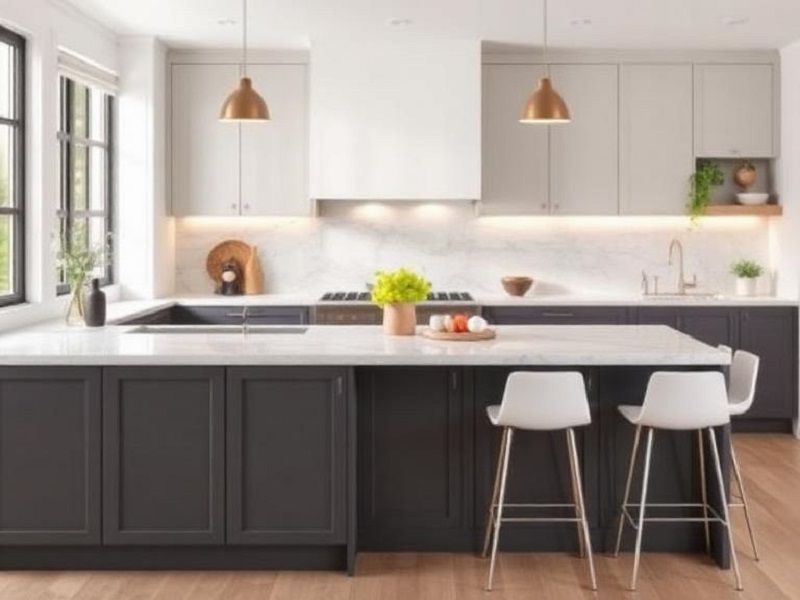
Are you planning a kitchen renovation and feeling overwhelmed by the sheer number of benchtop options out there? Have you found yourself wondering which material will stand the test of time while still looking absolutely stunning? And let’s be honest—are you trying to figure out how to get the best value without compromising on quality? You’re definitely not alone. Choosing the right kitchen bench top is one of the most important decisions you’ll make during your renovation. After all, it’s the surface you’ll prep meals on, gather around with family, and show off to guests for years to come. That’s where Caesarstone enters the picture—a material that’s earned its reputation as a top-tier choice for Australian kitchens.
In this guide, we’ll explore everything you need to know about Caesarstone benchtops. From understanding what makes this material special to examining Caesar stone durability, pricing, and maintenance, we’ve got you covered. We’ll also tackle common questions like “is Caesarstone porous?” and give you an honest breakdown of Caesarstone pros and cons. Finally, you’ll have all the information you need to decide if Caesarstone is the right fit for your dream kitchen.
What is Caesarstone? Understanding This Popular Kitchen Benchtop Material
How Caesarstone is Made
Caesarstone is an engineered quartz surface that combines natural quartz crystals with premium polymer resins. The manufacturing process involves mixing roughly 90% natural quartz with pigments and binding agents, then compressing and heating the mixture to create incredibly dense slabs. This process results in a non-porous, consistent surface that outperforms many natural alternatives.
What makes this particularly clever is that manufacturers can control the final appearance. Unlike natural stone, where you’re at the mercy of Mother Nature, Caesar stone offers predictable patterns and colours every single time.
What Makes Caesarstone Different from Natural Stone?
Natural stones like granite and marble are quarried directly from the earth, meaning each slab is unique—sometimes unpredictably so. Caesarstone, on the other hand, offers consistency throughout your entire top bench. You won’t find unexpected veining or colour variations that don’t match your sample.
Plus, the engineering process eliminates the tiny pores and fissures found in natural stone. This makes Caesar stone more resistant to staining and bacterial growth, which is exactly what you want in a busy kitchen environment.
Is Caesarstone Porous? Debunking Common Myths
The Truth About Caesarstone and Liquid Absorption
So, is Caesarstone porous? The short answer is no—at least not in any meaningful way. Thanks to its engineered composition, Caesarstone is virtually non-porous. This means liquids like red wine, coffee, and lemon juice won’t seep into the surface and cause permanent staining.
This non-porous nature also means you don’t need to seal your benchtops regularly, unlike granite or marble. It’s one less maintenance task to worry about, which is music to the ears of busy Australian families.
How Does Caesarstone Compare to Granite and Marble?
Both granite and marble are naturally porous materials that require regular sealing to prevent staining. Skip the sealing schedule, and you might find yourself with permanent reminders of last week’s spaghetti bolognese. Caesarstone eliminates this headache entirely, offering superior stain resistance straight out of the box.
Caesarstone Durability: Built to Last a Lifetime
Scratch and Impact Resistance
When it comes to Caesarstone durability, you’re looking at a seriously tough material. Quartz ranks 7 on the Mohs hardness scale, making it harder than granite and far more resistant to scratches. While you should still use chopping boards (no benchtop is completely scratch-proof), everyday use won’t leave your surfaces looking worn.
Heat Resistance: What You Need to Know
Here’s where we need to be honest. Caesarstone can handle warm pots, but it’s not entirely heat-proof. Placing extremely hot pans directly on the surface can cause thermal shock and potential cracking. Always use trivets or heat pads to protect your investment—a small habit that’ll keep your benchtops pristine.
How Long Do Caesarstone Benchtops Really Last?
With proper care, Caesarstone benchtops can easily last 25 years or more. Many come with warranties of 10-15 years, giving you peace of mind that your investment is protected. That’s decades of meal prep, family gatherings, and morning coffees—all on a surface that still looks brilliant.
Caesarstone Pros and Cons: An Honest Assessment
The Advantages of Choosing Caesarstone
Let’s break down the benefits:
- Low maintenance – No sealing required, easy daily cleaning
- Durability – Resistant to scratches, stains, and chips
- Hygiene – Non-porous surface prevents bacterial growth
- Consistency – Uniform appearance across your entire kitchen
- Variety – Extensive range of colours and finishes
These advantages make Caesarstone particularly appealing for families and keen home cooks who need surfaces that can handle daily demands.
Potential Drawbacks to Consider
No material is perfect, and Caesarstone has its limitations:
- Heat sensitivity – Requires trivets for hot items
- Cost – Higher price point than laminate alternatives
- Repair difficulty – Chips or cracks typically need professional repair
- Weight – Heavy slabs may require additional cabinet support
Understanding these Caesarstone pros and cons helps you make an informed decision that you won’t regret down the track.
Caesarstone Benchtops Prices: What to Expect in Australia
Factors That Influence the Cost of Your Kitchen Bench Top
When looking at Caesarstone benchtops prices, several factors come into play. The colour and design you choose significantly impacts cost—basic colours start lower, while premium patterns featuring marble-look veining command higher prices. Thickness also matters, with 20mm slabs costing less than 30mm options.
Installation complexity affects your final bill too. Cutouts for sinks and cooktops, edge profiles, and the size of your kitchen bench top all add to the total cost.
Are Cheap Kitchen Benchtops Worth It? Comparing Value vs Price
While searching for kitchen benchtops cheap options is tempting, it’s worth considering long-term value. The cheapest kitchen benchtops—typically laminate—might save money upfront but often need replacing within 10-15 years. Caesarstone’s durability means you’re investing once for decades of use.
That said, cheap kitchen benchtops absolutely have their place. If you’re renovating a rental property or planning to sell soon, budget options make financial sense.
How to Buy Benchtop Materials Without Blowing Your Budget
Ready to buy benchtop materials without breaking the bank? Consider these strategies:
- Choose from Caesarstone’s classic colour range rather than premium designs
- Opt for 20mm thickness instead of 30mm
- Keep edge profiles simple—square edges cost less than bullnose
- Compare quotes from multiple fabricators
Shopping around can save you hundreds, sometimes thousands, on your new top bench.
Popular Applications for Caesarstone in Kitchen Renovations
Kitchen Benchtops: The Heart of Your Cooking Space
Caesarstone benchtops remain the most popular application, and for good reason. They provide a durable, beautiful workspace that handles everything from pastry rolling to vegetable chopping. The consistent surface creates clean sight lines that make kitchens feel more spacious and cohesive.
Island Benchtops: Creating a Stunning Centrepiece
Island benchtops have become absolute must-haves in Australian kitchen design. Caesarstone’s large slab sizes make it ideal for creating seamless island surfaces without visible joins. Whether you’re using your island for food prep, casual dining, or homework supervision, Caesar stone delivers both function and style.
Caesarstone Splashback: A Seamless, Stylish Finish
Extending Caesarstone up the wall as a splashback creates a stunning, unified look. A Caesar stone splash back eliminates grout lines (goodbye, scrubbing!), provides excellent heat resistance behind cooktops, and makes cleaning a breeze. It’s a premium touch that elevates any kitchen renovation.
Choosing the Right Caesarstone Design for Your Kitchen
Colour Options and Current Trends
Caesarstone offers an impressive range, from pure whites and warm neutrals to dramatic dark and marble-inspired designs. Current Australian trends lean towards calming whites with subtle veining, warm concrete-look greys, and bold dark surfaces that make a statement.
Matching Your Top Bench to Your Kitchen Style
Consider your cabinetry, flooring, and overall aesthetic when selecting your top bench. White Caesarstone pairs beautifully with timber cabinetry for a Scandi feel, while darker tones complement contemporary handleless designs. Bring samples home and look at them in your kitchen’s lighting before committing.
Caring for Your Caesarstone Benchtops: Maintenance Tips
Daily Cleaning Best Practices
Maintaining your Caesarstone benchtops couldn’t be simpler. Wipe down surfaces with warm water and mild detergent, then dry with a soft cloth. For stubborn marks, a non-abrasive cleaner does the trick. Avoid harsh chemicals and scouring pads—they’re unnecessary and could damage the surface finish.
Protecting Your Long-Term Investment
Keep your benchtops looking new by using chopping boards, wiping up spills promptly, and always using trivets for hot items. These simple habits protect against the few things that can damage Caesarstone, ensuring your kitchen looks showroom-fresh for decades.
Is Caesarstone the Right Choice for Your Kitchen Renovation?
After exploring everything from durability to pricing, it’s easy to see why Caesarstone has become one of Australia’s most popular benchtop materials. The combination of modern aesthetics, excellent durability, and low-maintenance care makes it a standout choice. While the upfront cost can be higher than some alternatives, the long-term value more than justifies the investment.
For most homeowners planning a quality kitchen renovation, Caesar stone offers a smart balance between style and practicality. It stands up well to everyday family life, resists stains and scratches, and delivers a premium finish across benchtops, splashbacks, and kitchen islands.
If you’re renovating locally and want expert supply and installation, choosing Caesarstone in Richmond is a convenient way to access professional advice, local showrooms, and experienced installers.
Ultimately, the best benchtop is the one that fits your lifestyle, budget, and design vision. But if you’re looking for a reliable, beautiful surface that will serve your family well for decades, Caesarstone deserves a place at the very top of your shortlist. Your future self—standing in your finished kitchen—will thank you.


Post Comment